Thursday, 20 August 2026
Shelf Signals & Untapped Wedges
Venture funding is just one signal, but the real opportunities often hide in regulatory changes, quick-commerce infrastructure, and category expansions. Here are 10 fresh, highly specific product and brand ideas for India, based on what actually broke this week.
Today's Unobvious Opportunities
- 01
Design-Led Home Cleaning Concentrates
FMCG / Homecare
- The idea
- A premium D2C brand selling beautiful, reusable glass dispensers and non-toxic cleaning concentrate tablets.
- Why now
- D2C home cleaning brand Scrubsy just raised Rs 27 crore led by V3 Ventures this week, signaling serious institutional appetite to disrupt India's legacy home care shelf.
- Global precedent
- Blueland (US) and Kinfill (Netherlands) have built massive brands by making cleaning supplies look like high-end cosmetics.
- The India-specific gap
- Indian home care is dominated by ugly plastic bottles (Lizol, Colin) that get hidden under sinks. A visually appealing brand would dominate the premium quick-commerce impulse buy.
- One real risk
- Indian households heavily rely on domestic help, who often prefer traditional liquid formats and may distrust or misuse premium concentrates.
- 02
Quick-Commerce Aesthetic Hardware
D2C / Interiors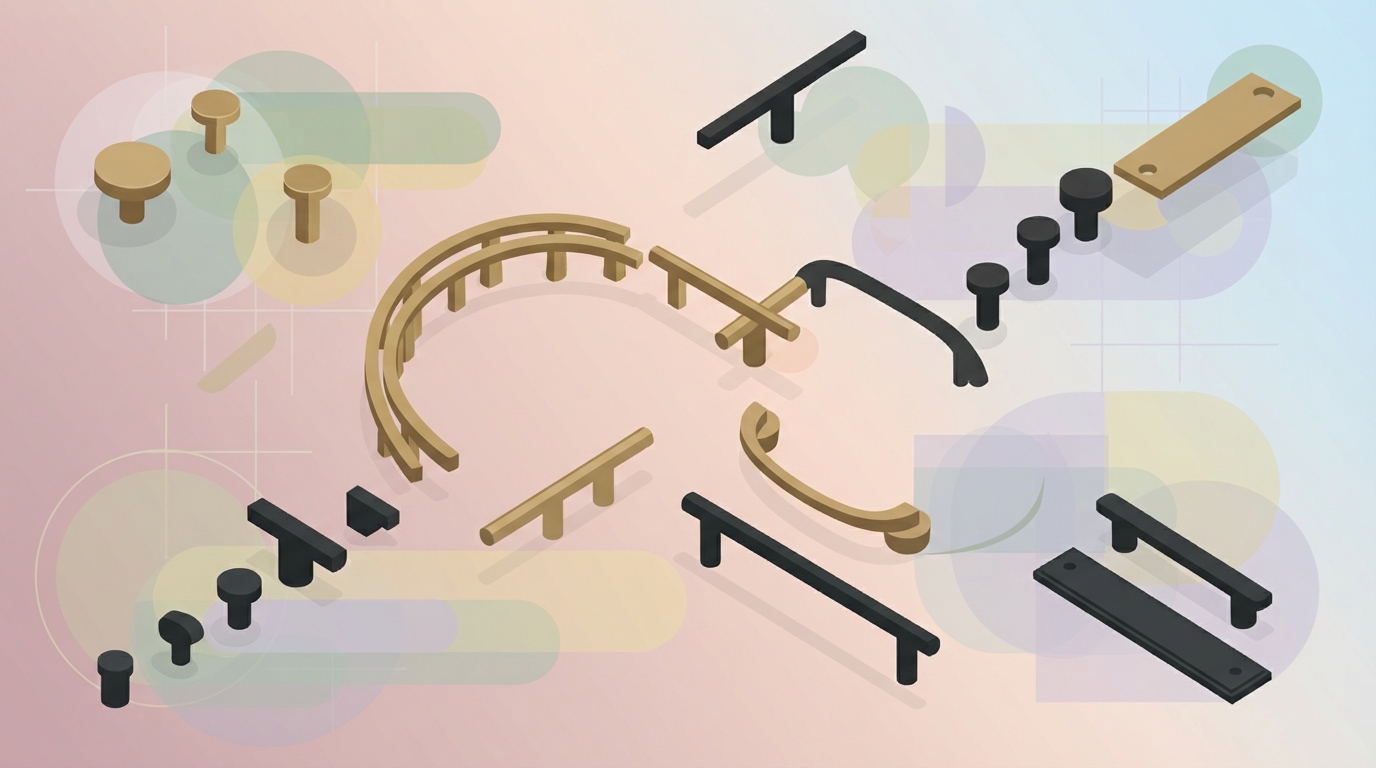
- The idea
- A D2C brand for premium, trend-driven interior hardware (knobs, pulls, light switches) specifically formatted and stocked for quick commerce.
- Why now
- HomeRun, a quick-commerce platform for interior materials, just raised $12M from Nexus this month, proving that the 10-minute delivery expectation has hit the home renovation sector.
- Global precedent
- Plank Hardware (UK) and Buster & Punch (UK) turned boring cabinet pulls into high-margin lifestyle purchases.
- The India-specific gap
- Upgrading a rented apartment currently requires visiting dusty wholesale hardware markets. A digitally native, aesthetic brand could own the 'weekend DIY upgrade' space.
- One real risk
- Hardware SKUs are notoriously fragmented (different door depths, screw threads), making lean inventory management extremely difficult for 10-minute delivery nodes.
- 03
Lifestyle Fabric & Surface Protectors
D2C / Lifestyle
- The idea
- High-end, visually striking aerosol sprays that protect premium sneakers, handbags, and sofas from dust and liquid stains.
- Why now
- Nanotechnology surface protection brand Invisel just raised Rs 4 crore to scale consumer applications, validating the domestic material-science market.
- Global precedent
- Crep Protect (sneakers) and Liquiproof (UK) successfully positioned industrial hydrophobic tech as streetwear accessories.
- The India-specific gap
- Indian cities have high dust and pollution, but existing fabric protectors look and smell like industrial chemicals. Positioning this as a luxury care accessory opens a new high-margin category.
- One real risk
- High customer education barrier—most consumers won't buy a preventive spray until they've already ruined an expensive item.
- 04
Next-Gen Functional Baby Food
FMCG / Nutrition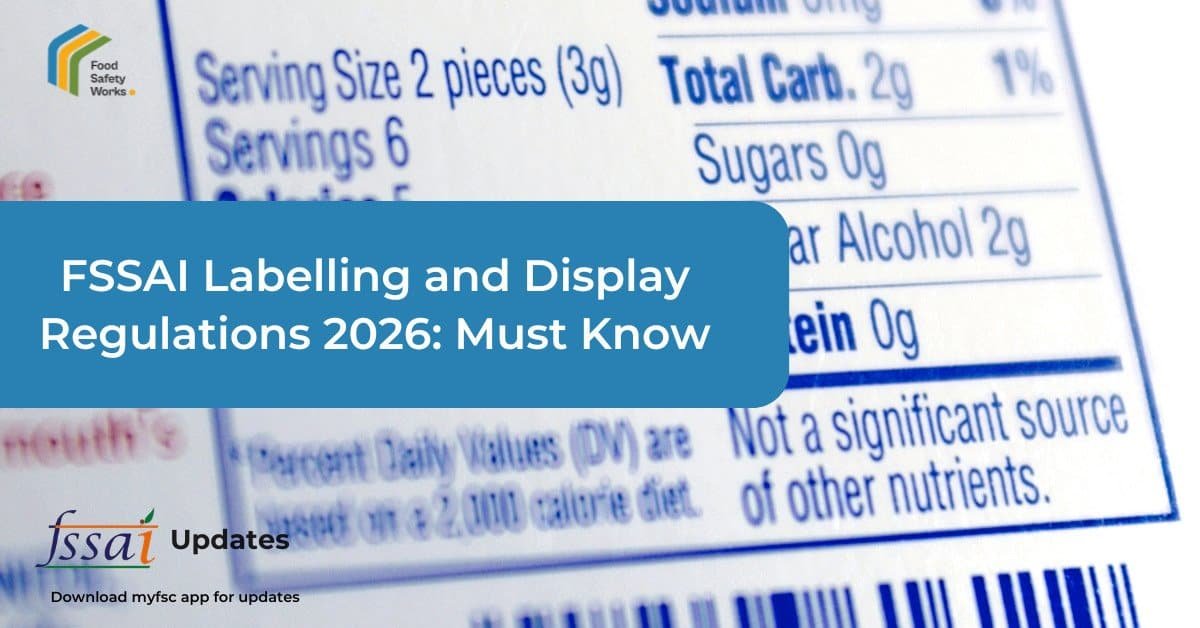
- The idea
- A clean-label, high-protein baby food brand sold in easy-squeeze pouches, focusing on functional ingredients rather than generic fruit purees.
- Why now
- The newly published FSSAI Labelling Amendment 2026 removes stringent RDA percentage declaration requirements for infant nutrition, drastically lowering compliance friction for new formulations.
- Global precedent
- Serenity Kids (US) and Little Spoon have captured massive market share by offering savory, fat-and-protein-first baby meals.
- The India-specific gap
- Indian commercial baby food is still stuck in the 1990s—dominated by legacy sugar-heavy powders like Cerelac or basic fruit pastes.
- One real risk
- Indian parents possess extreme skepticism toward packaged baby food and culturally default to fresh home-cooked meals.
- 05
Q-Comm Resilient Hybrid Beauty
D2C / Beauty
- The idea
- Multi-use, serum-infused cosmetic sticks (blush/tint/highlighter) chemically engineered to survive Indian summer transit in quick-commerce delivery bags without melting.
- Why now
- Typsy Beauty raised Rs 20 crore this week specifically to fund hybrid skincare-makeup products for the quick-commerce channel.
- Global precedent
- Milk Makeup and Ilia Beauty built empires on the 'lazy girl' multi-use stick format.
- The India-specific gap
- Many global formulations melt or snap when subjected to 40°C bike deliveries. A brand explicitly formulated for Q-Comm stability captures the massive impulse-beauty market.
- One real risk
- Quick commerce platforms extract brutal margins and slotting fees, which can quickly bleed a low-AOV brand dry.
- 06
Gen Z Modular Luggage
D2C / Fashion
- The idea
- Trend-driven, hyper-modular travel gear and packing cubes targeted at the Gen Z weekender.
- Why now
- Snitch (the Rs 900 cr D2C apparel giant) announced a major expansion into travel accessories this week via 'Escape Plan', signaling that lifestyle travel is the next major retail frontier.
- Global precedent
- Béis and Away have proven that luggage is now an extension of personal style, not just utility.
- The India-specific gap
- While Mokobara validated premium luggage in India, their aesthetic leans older/corporate. There is no loud, modular, affordable-luxury brand for the 22-year-old traveler.
- One real risk
- Luggage logistics are notoriously painful—bulky shipping costs and high damage rates in transit compress margins severely.
- 07
Authenticated Kids Gear C2C
Marketplace / Tech
- The idea
- A managed, authenticated resale marketplace exclusively for high-end baby gear (premium strollers, cots, luxury infant wear).
- Why now
- Horizontal C2C marketplace Vingo raised $1.2M led by IndiaQuotient this week, indicating growing investor faith in consumer trust and second-hand infrastructure in India.
- Global precedent
- Rebelstork (North America) and Goodbuy Gear handle the logistics and authentication of open-box and lightly used premium baby items.
- The India-specific gap
- Urban Indian parents are increasingly buying Rs 40k+ strollers (Nuna, Doona) but have nowhere to safely resell them besides fragmented, scam-heavy WhatsApp groups.
- One real risk
- The unit economics of picking up, cleaning, and storing bulky items like cribs across multiple cities can destroy profitability.
- 08
Aesthetic Post-Procedure Skincare
D2C / Beauty
- The idea
- A clinical-grade skincare system specifically designed for barrier repair post-laser and peeling treatments, sold directly via dermatologists.
- Why now
- Mumbai-based Brilliance Cosmocare raised $200K this week to build out a preventive-care clinical product pipeline targeting skin clinics.
- Global precedent
- SkinCeuticals and EltaMD built multi-million dollar empires by securing the 'dermatologist recommended post-procedure' slot.
- The India-specific gap
- Aesthetic treatments are booming in India, but post-procedure care is a messy mix of basic pharma ointments. A premium, aesthetic-first clinical brand can easily win derm trust.
- One real risk
- Scaling relies heavily on B2B sales cycles with individual clinics, making growth much slower than a purely digital D2C brand.
- 09
PFAS-Free Cloud Kitchen Packaging
B2B / Manufacturing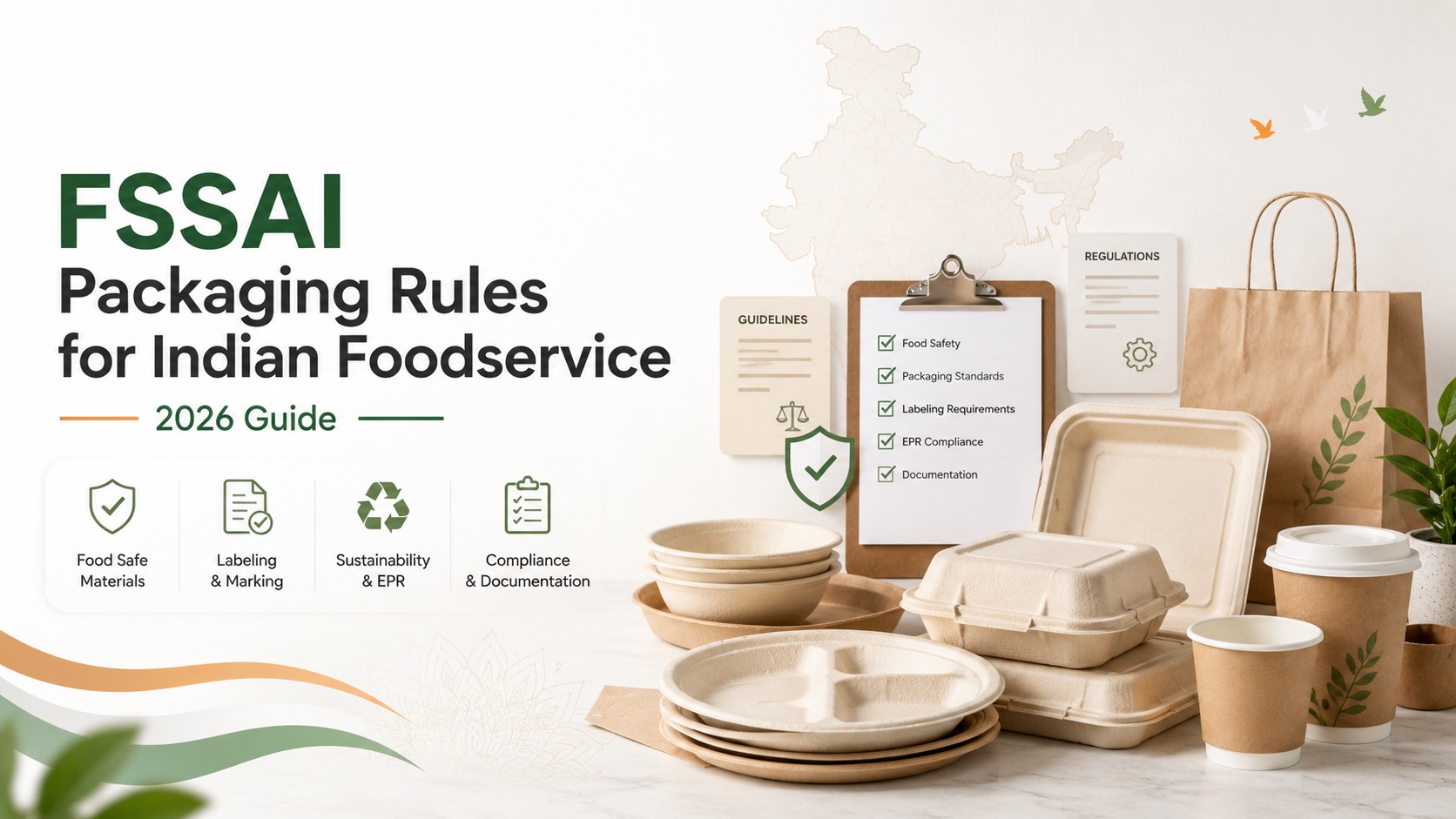
- The idea
- A B2B brand supplying highly aesthetic, structural, PFAS-free and rPET-compliant packaging for premium delivery restaurants.
- Why now
- FSSAI’s latest 2026 packaging guidelines introduce strict drafts to ban PFAS (forever chemicals) and regulate rPET in food contact, forcing a massive supply-chain shift.
- Global precedent
- Vegware (UK) and Good Start Packaging provide design-forward, compliant eco-packaging to high-end food operators.
- The India-specific gap
- As regulations tighten, premium cloud kitchens cannot risk non-compliance but refuse to use ugly generic brown boxes. They need a B2B partner that offers both compliance and luxury unboxing.
- One real risk
- B2B packaging is a race to the bottom on price; convincing restaurants to pay a premium for compliance requires aggressive sales.
- 10
API Tooling for Quick Commerce
SaaS / DevTools
- The idea
- A specialized SaaS platform that helps consumer brands optimize inventory distribution and ad spend strictly across quick commerce dark stores.
- Why now
- Profound, launched by former Swiggy/Zomato execs, raised $1.5M this month specifically to help brands improve profitability across Q-Comm networks.
- Global precedent
- Pacvue and Perpetua built massive SaaS businesses by providing specialized tooling for Amazon and Walmart's ad networks.
- The India-specific gap
- Quick commerce is India's true digital retail wedge. Brands currently manage Zepto and Blinkit inventory via manual Excel sheets. A dedicated API integration layer is inevitable.
- One real risk
- Quick commerce platforms are highly protective of their data; they could easily shut off API access and build this tooling in-house to capture the revenue.
Try This Week
- Track FSSAI draft amendments before they become law—it tells you exactly which FMCG categories are about to face a supply shock.
- Look at what global quick commerce algorithms push to the top, then reverse-engineer physical products to survive that specific supply chain.
- Monitor generic horizontal marketplace funding rounds to identify which specific high-AOV vertical they will eventually fail to serve.