Friday, 7 August 2026
Shelf Data & GitHub Signals
Forget the 'India is booming' venture thesis. Today we are looking at the specific, unsexy signals driving actual demand right now: new FSSAI e-commerce shelf-life crackdowns, developer fatigue with closed-source SaaS, and AI models finally getting cheap enough to run on local hardware. Here are 10 raw, verifiable product gaps I found today across consumer brands and SaaS.
Consumer Brands & Packaging
- 01
Anti-Performative Skincare
Beauty / D2C
- The idea
- A minimalist, single-step 'anti-slop' skincare brand targeting Indian women fatigued by performative, 10-step active-ingredient routines.
- Why now
- Inc42’s D2C cohort featured 'Ray of Sunshine Beauty' today, leaning explicitly into 'non-performative' daily routines—a sharp signal that the multi-step active trend has peaked.
- Global precedent
- Merit Beauty (US), which built a massive brand entirely on five-minute minimalism.
- The India-specific gap
- Indian BPC is currently obsessed with stuffing high-percentage actives (salicylic, niacinamide) into every SKU. The 'less is more' aesthetic space is wide open.
- One real risk
- Hard to drive high customer lifetime value (LTV) when your core brand ethos is literally 'buy fewer products.'
- 02
FSSAI-Compliant Packaging Marketplace
B2B / FMCG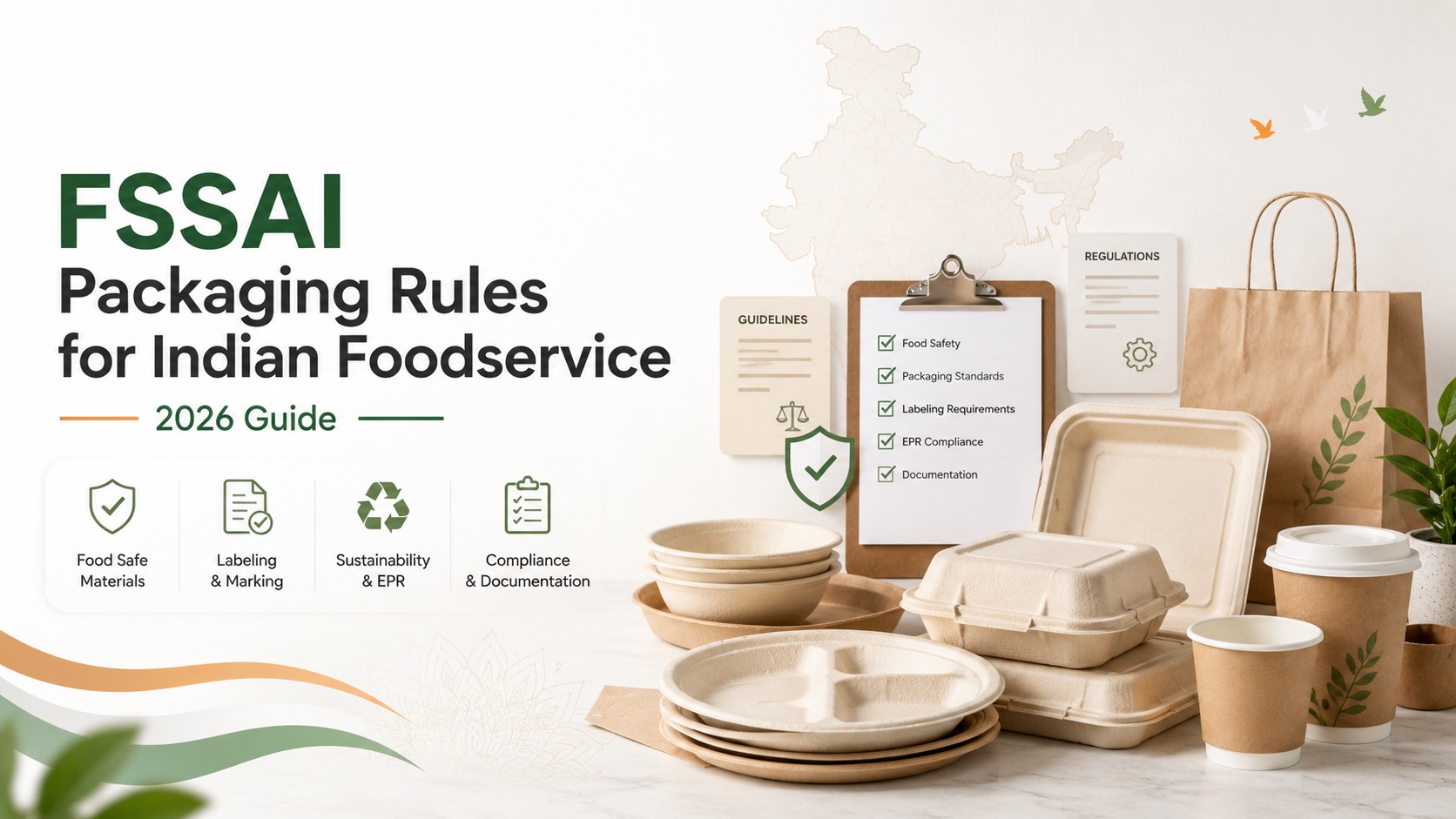
- The idea
- A B2B packaging marketplace matching Indian food brands with FSSAI-approved recycled PET (rPET) and PFAS-free materials.
- Why now
- FSSAI's latest packaging amendment approves rPET for food contact and targets PFAS, creating immediate compliance anxiety for food D2C brands.
- Global precedent
- Grounded Packaging (Aus/UK) or Lumi (US).
- The India-specific gap
- Indian D2C food brands are scrambling to comply with incoming Extended Producer Responsibility (EPR) bans, but lack transparent, low-MOQ vendors for certified sustainable packaging.
- One real risk
- India's manufacturing landscape is deeply fragmented and relationship-based, making it incredibly hard to standardize a marketplace supply side.
- 03
Hyper-Fresh Q-Commerce Beverages
FMCG
- The idea
- A premium D2C functional beverage brand optimized strictly for quick-commerce, operating with a 30-day fresh shelf life to bypass traditional distribution.
- Why now
- FSSAI just issued an advisory enforcing strict shelf-life limits (minimum 30% or 45 days left) for e-commerce deliveries, penalising the common practice of dumping old inventory.
- Global precedent
- Olipop or Poppi (US) - high-margin, fast-moving cold chain.
- The India-specific gap
- Most Indian beverages are loaded with preservatives for a 12-month traditional retail shelf life. A 'fresh' brand tailored solely for Blinkit/Zepto exploits this new compliance reality.
- One real risk
- Quick-commerce platforms extract massive margins (often north of 35%), which will bleed the brand's profitability without rapid scale.
Developer Tools & AI Ecosystem
- 04
Scraping API for Local AI Agents
SaaS / DevTool
- The idea
- A DOM-parsing API designed specifically for LLMs to read Indian ecommerce and public data sites without getting blocked by local CAPTCHAs.
- Why now
- 'Agent-Reach' topped GitHub trending today for giving AI 'eyes' to read the web, mirroring 'AgentQL's rise on Product Hunt—devs are desperate for reliable bot-vision.
- Global precedent
- AgentQL or Firecrawl (US).
- The India-specific gap
- Indian sites heavily gatekeep data with aggressive localized bot protection, OTP walls, and dynamic DOMs. Standard US scraping APIs fail constantly on Flipkart or Myntra.
- One real risk
- Platforms aggressively sue for Terms of Service violations to protect their data moats.
- 05
Indic-Language LLM Router
AI / Enterprise SaaS
- The idea
- A unified enterprise routing gateway that dynamically switches between LLMs based on cost and Indic-language tokenization efficiency.
- Why now
- The launch of 'Countless.dev' on Show HN highlights aggressive cross-shopping by developers who want to route queries based on strict cost and capability matrices.
- Global precedent
- Portkey.ai or LiteLLM.
- The India-specific gap
- US-centric routers don't optimise for Indic-language token costs, which can be astronomically higher on OpenAI than on models specifically trained for regional scripts.
- One real risk
- Foundational models drop their API prices so low that a cost-optimising routing layer becomes financially obsolete.
- 06
India-Native Auth SaaS
Identity Infrastructure
- The idea
- A low-code authentication infrastructure built natively on India’s Account Aggregator (AA) and DigiLocker frameworks for fast B2B onboarding.
- Why now
- Wristband (a low-code multi-tenant auth tool) hit Product Hunt today, underscoring the massive shift away from building in-house login and identity flows.
- Global precedent
- WorkOS, Clerk.
- The India-specific gap
- Global tools like Auth0 don't natively tie into India-specific KYC (DigiLocker, Aadhaar XML) out of the box, forcing Indian SaaS builders to patch it together themselves.
- One real risk
- India’s identity and telecom regulations change rapidly, creating massive compliance liability for a centralised identity broker.
- 07
Localized AI B-Roll Generator
Creator Tools
- The idea
- An AI B-roll generator specifically trained on Indian visual context (local streets, offices, cultural tropes) for regional content creators.
- Why now
- Jupitrr AI (auto-generating B-roll) hit the top of Product Hunt, proving creators are desperate to automate visual filler for their shorts and reels.
- Global precedent
- Jupitrr AI, Opus Clip.
- The India-specific gap
- Global video models generate overly Westernised stock footage. Indian D2C brands and influencers need hyper-local generated B-roll to look authentic.
- One real risk
- Incumbents like Envato or Getty simply license their diverse, local stock libraries to OpenAI, closing the geographic gap overnight.
RegTech & Offline Tech
- 08
Open-Source Aadhaar eSign
Productivity SaaS
- The idea
- An open-source, locally hostable document signing platform natively integrated with India’s Aadhaar eSign ecosystem.
- Why now
- The thread 'Kill SaaS with Open Source' topped Hacker News today, tapping into deep builder resentment toward rent-seeking subscription software.
- Global precedent
- Documenso (Open source DocuSign alternative).
- The India-specific gap
- While DocuSign is too expensive for local SMEs, Indian alternatives like Leegality are closed-source. A privacy-first engine tying directly into NSDL/CDAC is missing.
- One real risk
- It is incredibly difficult to monetise open-source in India, where enterprise compliance requirements heavily favour fully managed, accountable SaaS.
- 09
FSSAI Verification API for Q-Commerce
RegTech
- The idea
- An automated RegTech API for quick-commerce platforms to instantly verify FSSAI licenses, hygiene ratings, and label compliance for onboarded sellers.
- Why now
- An aggressive new FSSAI advisory mandates e-commerce platforms dynamically verify and prominently display licenses and hygiene ratings for all listed food operators.
- Global precedent
- ComplyAdvantage (for fintech KYC).
- The India-specific gap
- Platforms like Swiggy Minis or ONDC nodes are manually auditing food brands and struggling to keep up with daily FSSAI license expirations or hygiene updates.
- One real risk
- FSSAI could release a free, robust public API that natively handles real-time verification, killing the third-party wrapper.
- 10
Offline-First AI Smart Toy
Consumer Hardware- The idea
- An offline-first, generative AI smart speaker for kids that runs local storytelling models without transmitting voice data to the cloud.
- Why now
- 'AirLLM' hit GitHub trending today by enabling massive 70B parameter models to run locally on a single 4GB GPU, making cheap, on-device AI commercially viable.
- Global precedent
- Yoto Player or Toniebox (UK/US) – screen-free audio for kids, though they lack generative AI.
- The India-specific gap
- Indian parents are increasingly paranoid about screen time and data privacy, yet the only smart speakers available (Alexa) send all voice recordings to servers.
- One real risk
- Hardware margins are notoriously brutal, and competing with Amazon's heavily subsidised Echo devices is a massive uphill battle.
Try This Week
- Audit your SaaS identity flows—if you aren't plugging directly into AA or DigiLocker, you are bleeding B2B conversions.
- Review your food brand's packaging compliance against the newly circulated FSSAI PFAS and rPET drafts.
- Map your regional LLM costs; stop paying premium OpenAI API rates for poorly tokenized Indic languages.