Friday, 28 August 2026
Signals & Opportunities: August 28, 2026
Friday’s read across the Indian ecosystem. We’re tracking new FSSAI mandates turning into SaaS wedges, Q-commerce shifting D2C coffee margins, and the death of per-seat pricing in micro-SaaS. Here are 10 verifiable signals and the products you can build on them today.
D2C Brands & Physical Consumer
- 01
Q-Commerce RTD Specialty Coffee
FMCG / Beverage
- The idea
- A flash-brew, ready-to-drink (RTD) specialty coffee line packaged specifically for 10-minute delivery platforms.
- Why now
- Third Wave Coffee just raised a massive Series D (reported this week), proving extreme premiumization in Indian coffee, while impulse Q-commerce is shifting consumer habits from cafes to home-delivery.
- Global precedent
- Blank Street Coffee (US), Saturnbird (China).
- The India-specific gap
- Indian RTD coffee is dominated by sugary, generic cold coffees. True specialty coffee is trapped in expensive cafes; Gen Z wants cafe-grade brews instantly via Blinkit or Zepto.
- One real risk
- High logistics cost for cold-chain, and limited shelf life restricts distribution outside the top 3 metros.
- 02
Strain-Traceable Prebiotics Brand
Consumer Health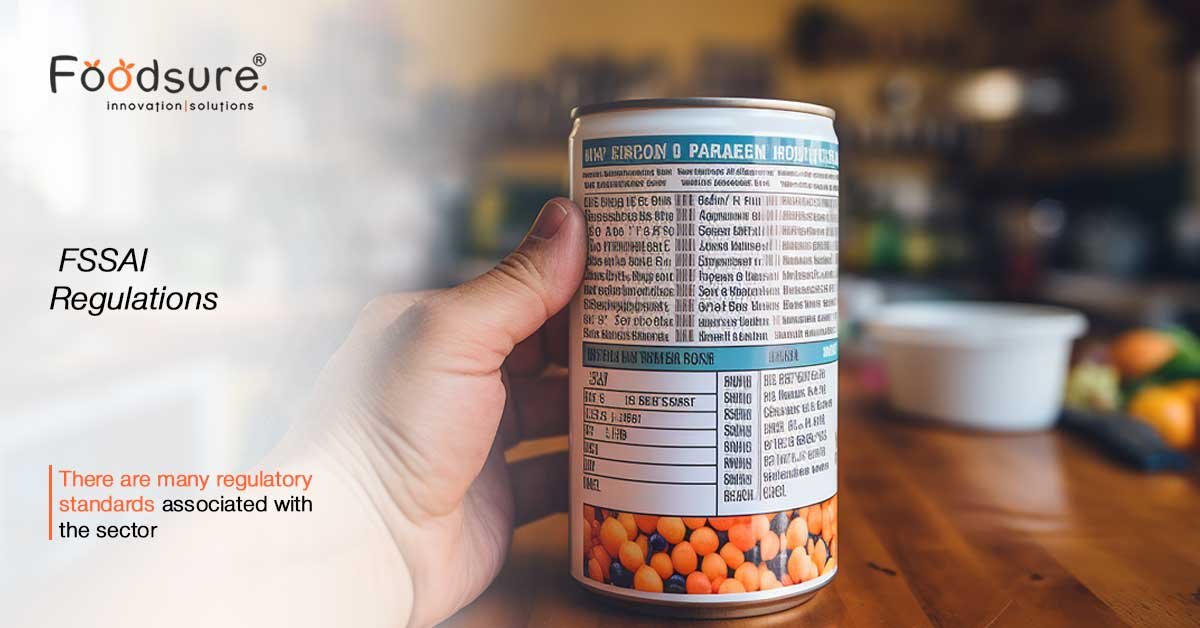
- The idea
- A synbiotic/prebiotic supplement brand that leads with QR-coded, strain-specific viability tracking for every single batch.
- Why now
- The latest FSSAI 2026 regulations mandate strict strain-specific assessment and precise viability counting for e-commerce nutraceuticals.
- Global precedent
- Seed (US), Ritual (US).
- The India-specific gap
- Current Indian probiotic brands obscure strain data and survival rates. A brand that turns this new FSSAI compliance burden into a consumer-facing 'proof of life' marketing tool will instantly establish premium trust.
- One real risk
- Educating the Indian consumer on CFUs and strain survivability might be too expensive for a bootstrapped D2C budget.
- 03
Clinical D2C Hyperpigmentation Brand
D2C Beauty
- The idea
- A direct-to-consumer clinical skincare brand explicitly formulated to address hyperpigmentation and acanthosis nigricans in melanin-rich Indian skin.
- Why now
- Wipro Consumer Care just acquired clinical brand Dermatouch, and World of Asaya closed a Series A this week, proving massive M&A/VC appetite for science-backed Indian skincare over generic Ayurveda.
- Global precedent
- Topicals (US), Eucerin (Global).
- The India-specific gap
- Indian shelves are flooded with 'fairness' creams or generic natural remedies. There is a premium gap for dermatologist-backed, brand-forward treatments targeting real metabolic skin issues without the bleaching narrative.
- One real risk
- Extreme customer acquisition costs in beauty require immense organic brand differentiation to avoid being drowned out by Nykaa's private labels.
- 04
Tier-2 Premium Festive Eyewear
Fashion / Retail
- The idea
- A localized, premium eyewear and styling brand targeting affluent consumers in Tier-2 Indian cities, leading with a strong experiential aesthetic.
- Why now
- Retail and consumer stocks like Lenskart and Vishal Mega Mart surged this week ahead of Onam 2026, highlighting eyewear and festive personal styling as breakout high-margin categories.
- Global precedent
- Gentle Monster (Korea), Warby Parker (US).
- The India-specific gap
- The gap between ultra-cheap unbranded optical shops and Lenskart's mass-market utility leaves room for a high-design, culture-forward brand priced for the rising Indian middle class.
- One real risk
- High inventory risk and the heavy capital expenditure required to set up the experiential offline stores necessary for premium positioning.
Software, SaaS & Developer Tools
- 05
RTO Workflow SaaS for D2C Sellers
Micro-SaaS
- The idea
- An automated return-to-RTO (Return to Origin) routing and refund API targeted strictly at sub-$1M Indian D2C brands.
- Why now
- August 2026 Micro-SaaS data identifies hyper-specific operational workflows (like returns handling) as the most profitable wedges, breaking away from broad, generic CRM suites.
- Global precedent
- Loop Returns (US), Happy Returns (US).
- The India-specific gap
- Logistics aggregators offer basic tracking, but D2Cs need granular automation—instant UPI refunds, defect tagging, and warehouse restocking logic—without enterprise Shopify Plus pricing.
- One real risk
- Shiprocket or Delhivery could build a carbon copy of this workflow into their core dashboard for free, instantly crushing the micro-SaaS.
- 06
INR-Billed Spot GPU Orchestrator
Developer Tools
- The idea
- A spot-instance compute marketplace aggregating idle GPUs from Indian Tier-2 data centers for local AI startups.
- Why now
- Accel's new $550M India fund emphasizes AI infrastructure layers, while 'Spot GPU' tools are dominating Product Hunt this week as developers balk at AWS/GCP pricing.
- Global precedent
- RunPod (US), Lambda Labs (US).
- The India-specific gap
- Indian AI startups pay massive dollar premiums for H100s. A localized orchestrator billing in INR and utilizing underused domestic server racks could drastically cut inference costs.
- One real risk
- A massive capital requirement to secure initial GPU supply, or getting crushed if global hyperscalers finally implement deep localized pricing in India.
- 07
Code-Switching Voice AI for Professionals
AI Productivity
- The idea
- A desktop-native dictation agent optimized specifically for Indian accents and heavy mixed-language (Hinglish/Tanglish) professional jargon.
- Why now
- 'Wispr Flow' dominated global product discovery boards this week, proving ambient desktop dictation is a massive hit, but it routinely fails on Indian code-switching.
- Global precedent
- Wispr Flow (US), Nuance Dragon (Global).
- The India-specific gap
- Indian doctors, lawyers, and founders waste hours typing because Western voice tools completely hallucinate when English is spoken with heavy regional inflections mixed with Hindi/Tamil terms.
- One real risk
- Foundational models like Gemini or Sarvam release a core update that solves Indic code-switching natively at the OS level, obliterating the startup's wedge.
B2B Infrastructure & Vertical Solutions
- 08
Computer Vision SaaS for Legacy CCTV
B2B / Industrial
- The idea
- A plug-and-play computer vision wrapper that turns existing analog CCTV networks into proactive AI alert systems for Indian industrial and logistics sites.
- Why now
- Provigil Surveillance secured ₹12-18 Crore E-surveillance contracts this week across GAIL and Western Railway, proving enterprise appetite for automated site monitoring is peaking right now.
- Global precedent
- Verkada (US), Samara (US).
- The India-specific gap
- Indian infrastructure runs on millions of legacy dumb cameras monitored by tired guards. A lightweight SaaS layer avoids heavy hardware replacement costs while delivering the AI compliance alerts enterprises are willing to pay for.
- One real risk
- Margin compression from pure-play hardware vendors deciding to bundle basic AI alert software for free to sell more cameras.
- 09
FSSAI Compliance Dashboard for ONDC
E-Commerce SaaS
- The idea
- An automated compliance and licensing engine specifically for local restaurants and cloud kitchens to legally sell on ONDC buyer apps.
- Why now
- FSSAI just confirmed strict new 2026 rules that legally bind ONDC seller/buyer apps to guarantee food traceability and central licensing for all digital vendors.
- Global precedent
- Avalara (for automated tax compliance), various Shopify legal apps.
- The India-specific gap
- Millions of street vendors and small food operators want onto ONDC to escape high aggregator commissions, but the new digital commerce rules are too legally dense for them to navigate without automated SaaS.
- One real risk
- ONDC itself decides to build and release a free, native compliance onboarding tool for sellers, killing the third-party market.
- 10
Free CRM + Payments for Blue-Collar Services
Vertical SaaS
- The idea
- A basic, mobile-first CRM for local moving and packing companies that monetizes strictly through embedded payments and instant transit insurance.
- Why now
- August 2026 startup data shows embedded fintech inside hyper-niche Indian verticals (like resale and moving) is vastly outperforming traditional per-seat subscription models in terms of MRR.
- Global precedent
- ServiceTitan (US), Jobber (US).
- The India-specific gap
- The unorganized Indian MSME market refuses to pay for software. Giving them free scheduling/invoicing software to capture a 2% payment take-rate bypasses their price sensitivity entirely.
- One real risk
- Extremely high trust barrier to getting cash-heavy blue-collar business owners to route their primary revenue through a new startup's payment gateway.
Try This Week
- Look past standard per-seat SaaS pricing; embedded fintech in narrow verticals is winning.
- Treat new Indian regulatory changes (like FSSAI's 2026 mandates) as ready-made software wedges.
- Watch impulse Q-commerce platforms - they are actively expanding what can be sold D2C by removing the friction of local cold-chain logistics.