Wednesday, 19 August 2026
Signals & Wedges: Today's Operator Briefing
We are bypassing generic macro commentary today. I have scoured the latest Product Hunt launches, developer repos, FSSAI regulatory crackdowns, and D2C capital shifts to pull out 10 highly specific product wedges for the Indian market. From AI-native CLI scrapers bypassing government captchas to premium cross-border reverse logistics, here is where the real signals point right now.
Digital Native SaaS & AI Wedges
- 01
AI-Native Vertical CRM for Indian MSMEs
B2B SaaS
- The idea
- A zero-data-entry CRM for Indian MSMEs that auto-updates itself by securely reading WhatsApp Business chats and UPI payment screenshots.
- Why now
- Lightfield (an AI CRM that automatically 'builds itself') rocketed up the Product Hunt leaderboard this week, showing massive appetite for zero-entry data platforms.
- Global precedent
- Lightfield (US).
- The India-specific gap
- Existing CRMs like Zoho or Freshworks are built for desktop-first enterprise sales; Indian SMEs run their entire businesses via fragmented WhatsApp chats and UPI, requiring a totally different ingestion model.
- One real risk
- Meta changing WhatsApp Business API pricing or tightening automated message scraping policies could destroy unit economics overnight.
- 02
CLI Web Scraper for Indian Govt Portals
Developer Tooling
- The idea
- A developer tool acting as an autonomous CLI agent specifically trained to navigate, bypass captchas, and structure data from fragmented Indian government portals and legacy state architecture.
- Why now
- Tools like 'BrowserAct Cloud' and 'Agent Reach' surged in developer communities today, confirming a massive shift toward AI agents that autonomously navigate complex web interfaces via command line.
- Global precedent
- BrowserAct Cloud / Agent Reach.
- The India-specific gap
- Global AI scraping tools fail spectacularly on Indian public infrastructure (MCA, IRCTC, state land records) due to native captchas, chaotic DOM structures, and legacy OTP walls.
- One real risk
- Indian government sites frequently update their architecture and security protocols without notice, creating constant, high-burn maintenance overhead that breaks the agent daily.
- 03
AI Voice Dictation for Hinglish
Consumer Tech App
- The idea
- A lightweight menu-bar application that allows users to dictate natively in rapidly code-switched Hinglish, instantly converting it into perfectly formatted professional English text in any app.
- Why now
- Wispr Flow, an AI dictation tool promising '4x faster typing than text', dominated Product Hunt this week, proving power users are finally abandoning keyboards for robust voice interfaces.
- Global precedent
- Wispr Flow / Oasis (US).
- The India-specific gap
- Global speech-to-text models still heavily stumble over thick regional Indian accents and the constant interjection of Hindi words within English corporate speak.
- One real risk
- Apple, Google, or OpenAI could embed accent-agnostic, flawless dictation natively into their OS levels for free, entirely removing the need for a third-party application.
- 04
Vibe-Coding Storefront Builder
No-Code / Micro-SaaS
- The idea
- A mobile-first AI builder where non-technical founders describe their brand aesthetic, instantly deploying a custom, ultra-fast, ONDC-compliant D2C storefront without a single click.
- Why now
- 'Atoms', a 'vibe coding' platform that turns text prompts directly into functional applications, launched as a top-two product today, signaling the absolute democratization of app building.
- Global precedent
- Atoms / Framer AI.
- The India-specific gap
- Shopify is too bloated and expensive for a 2-SKU Indian micro-brand, while regional alternatives like Dukaan force brands into rigid, cheap-looking templates that hurt consumer trust.
- One real risk
- The underlying generation models are easily accessible via API; incumbent platforms like Shopify will undoubtedly clone prompt-based theme building as a native feature soon.
Physical Consumer & FMCG
- 05
Everyday Semi-Fine Jewellery for Men
Fashion / D2C
- The idea
- A premium, design-led brand focused exclusively on minimalist titanium and 14k gold vermeil chains, subtle rings, and bracelets tailored for urban Indian men.
- Why now
- Omni-channel jewelry retailer Bluestone just secured $71M at a near-unicorn valuation, signaling massive capital appetite for branded accessories—yet the men's segment remains completely ignored by majors.
- Global precedent
- Jaxxon (US) and CRAFTD (UK).
- The India-specific gap
- Indian men are buying more accessories, but choices are stranded between cheap, tarnishing fast-fashion alloys on Amazon and ultra-traditional heavy gold pieces from legacy family jewelers.
- One real risk
- Shifting the cultural purchasing behavior of Indian men—who historically view semi-fine jewelry as a feminine purchase—will require a brutally high customer acquisition cost.
- 06
Transparent Functional Hydration Powders
FMCG / Wellness
- The idea
- A premium, clinical-grade electrolyte powder with zero natural-washing fluff, focusing purely on optimized osmolality and explicit, traceable ingredients.
- Why now
- FSSAI recently issued stringent notices cracking down on beverage makers using misleading '100% natural' or '100% fruit juice' labels, creating an immediate premium compliance vacuum.
- Global precedent
- LMNT and Liquid I.V. (US).
- The India-specific gap
- The Indian hydration aisle is polarized between heavily sugared ORS packets and vague 'Ayurvedic' energy drinks; there is no clean, science-backed daily electrolyte for the urban fitness demographic.
- One real risk
- It is brutally difficult to compete on volume against the heavily subsidized, ubiquitous 10-rupee legacy pharma ORS packets available at every neighborhood pharmacy.
- 07
Premium Value-Added Seafood D2C
Food / D2C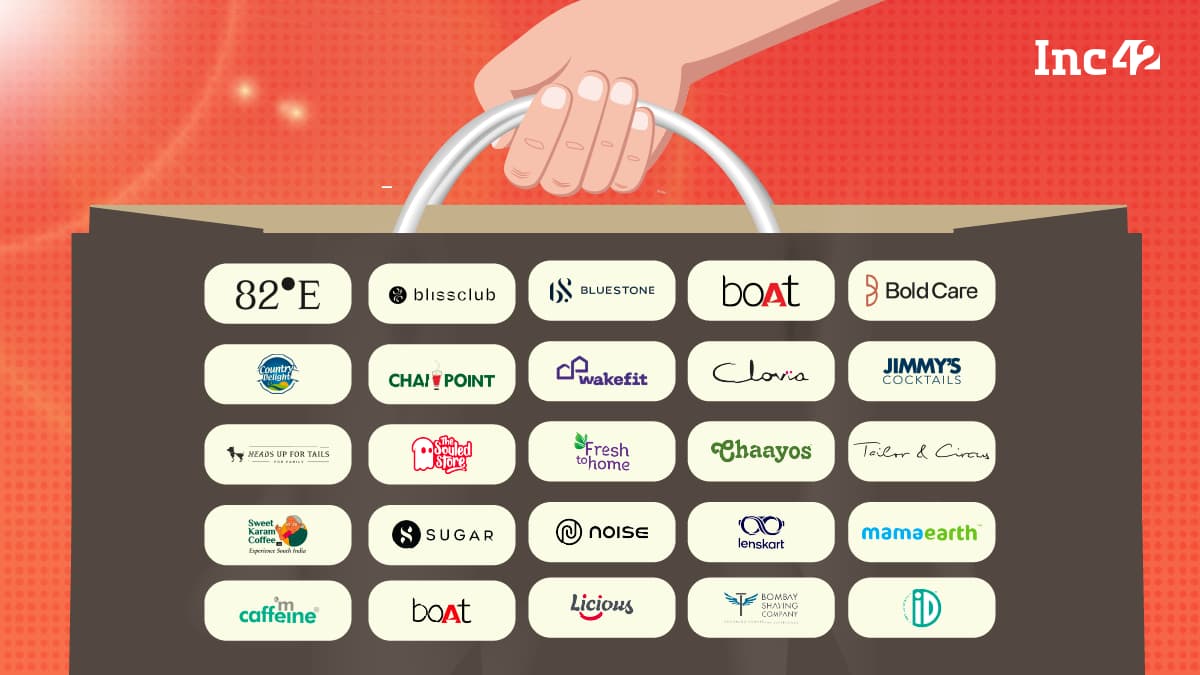
- The idea
- A brand selling pre-marinated, flash-frozen, premium seafood (like Norwegian salmon, black cod, and clean shrimp) perfectly matched to regional Indian flavor profiles.
- Why now
- Zappfresh recently filed its DRHP for an IPO in the D2C meat delivery sector, validating the massive scale of cold-chain protein delivery, but highlighting a ceiling in mass-market chicken.
- Global precedent
- Fishwife (US, tinned) and Wild Alaskan Company (US, frozen).
- The India-specific gap
- Existing giants like Licious focus heavily on mass-market daily meats; affluent Indian homes completely lack a trusted, highly elevated source for premium or exotic pre-prepped seafood.
- One real risk
- The astronomical capital expenditure and operational complexity required to maintain a sub-zero, unbroken cold chain across chaotic tier-1 Indian cities.
- 08
Climate-Adaptive Skincare for High Humidity
Beauty / Personal Care- The idea
- A minimalist skincare line featuring ultra-lightweight, sweat-resistant gel moisturizers and SPFs specifically formulated for the aggressive coastal Indian climate (Mumbai/Chennai).
- Why now
- Fresh sector reports this week confirmed organic beauty and personal care captured the highest volume of D2C funding, proving investors are actively hunting for highly differentiated beauty wedges.
- Global precedent
- Allies of Skin (Singapore) and Poko (UK/Ireland).
- The India-specific gap
- Most premium Indian skincare brands simply adapt Western formulations that are far too occlusive for 90% humidity, causing relentless breakouts and melting off faces by noon.
- One real risk
- Customer acquisition costs in Indian beauty are so severe that without immediate viral influencer traction, the brand will bleed to death on Meta ad spend.
Infrastructure & Retail Logistics
- 09
Micro-ERP for ONDC-Connected Kiranas
B2B Retail SaaS
- The idea
- A mobile-first inventory application that connects neighborhood Kirana stores directly to ONDC, automatically mapping their physical stock to local search availability.
- Why now
- Supply-chain analysis highlighted Hindustan Unilever's (HUL) Project Shikhar pilot, integrating directly with ONDC to bypass traditional distributors and aggressively digitize rural Kiranas.
- Global precedent
- Ohi (US) for micro-fulfillment software.
- The India-specific gap
- The entire promise of ONDC relies on neighborhood delivery, but Kiranas have zero real-time digital inventory; they track stock mentally, making reliable ONDC listings impossible without an intermediary.
- One real risk
- Kirana store owners are culturally highly resistant to scanning barcodes or digitally logging 10-rupee ticket items, which instantly breaks the real-time data feed.
- 10
Automated Cross-Border Returns Infrastructure
B2B Logistics SaaS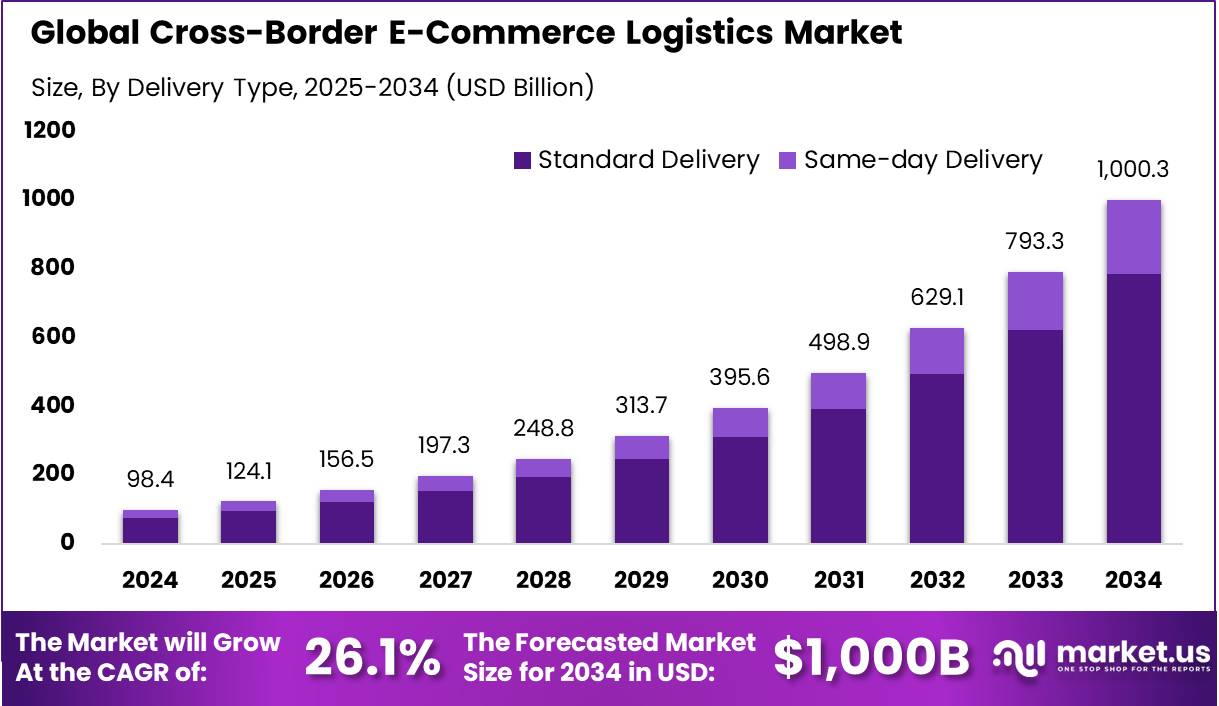
- The idea
- A SaaS platform for Indian D2C brands that aggregates international returns locally in the US/EU, routing them to secondary markets instead of shipping them back to India.
- Why now
- Amazon just rolled out its 'Export Central' tool to aggressively push sellers into multi-country fulfillment, underscoring that while outbound logistics are heavily subsidized, reverse logistics remain broken.
- Global precedent
- Loop Returns (US).
- The India-specific gap
- Indian brands desperately want US margins, but a single returned international order wipes out the profit of five sales; there is no localized reverse logistics aggregator serving Indian merchants abroad.
- One real risk
- Indian customs regulations around re-importing returned or unsold goods are notoriously archaic, causing physical stock to rot at ports for months during reconciliation.
Try This Week
- Audit your daily workflows: Note down the exact moment you copy-paste data between an Indian portal and an internal sheet; that is your micro-SaaS wedge.
- Look at the fastest-growing Shopify apps globally this week and filter by which ones fundamentally fail when applied to an Indian payment or shipping context.
- Read the latest FSSAI draft guidelines—regulatory friction almost always creates an immediate brand opportunity for those willing to comply.