Sunday, 9 August 2026
Sunday Signals: 10 Product Wedges Hidden in Plain Sight
Venture funding gets the headlines, but the actual consumer gaps show up first in supply chain changes, policy shifts, and niche developer trends. This week, we saw FSSAI tightening the screws on food claims, quick-commerce accelerating FMCG launch cycles from months to weeks, and a massive shift toward local, privacy-first AI tools. Here are 10 specific, unhedged product and brand ideas traced directly to today's market signals.
Food, Beverage & FMCG
- 01
Clinical-Grade Functional Foods
FMCG / Health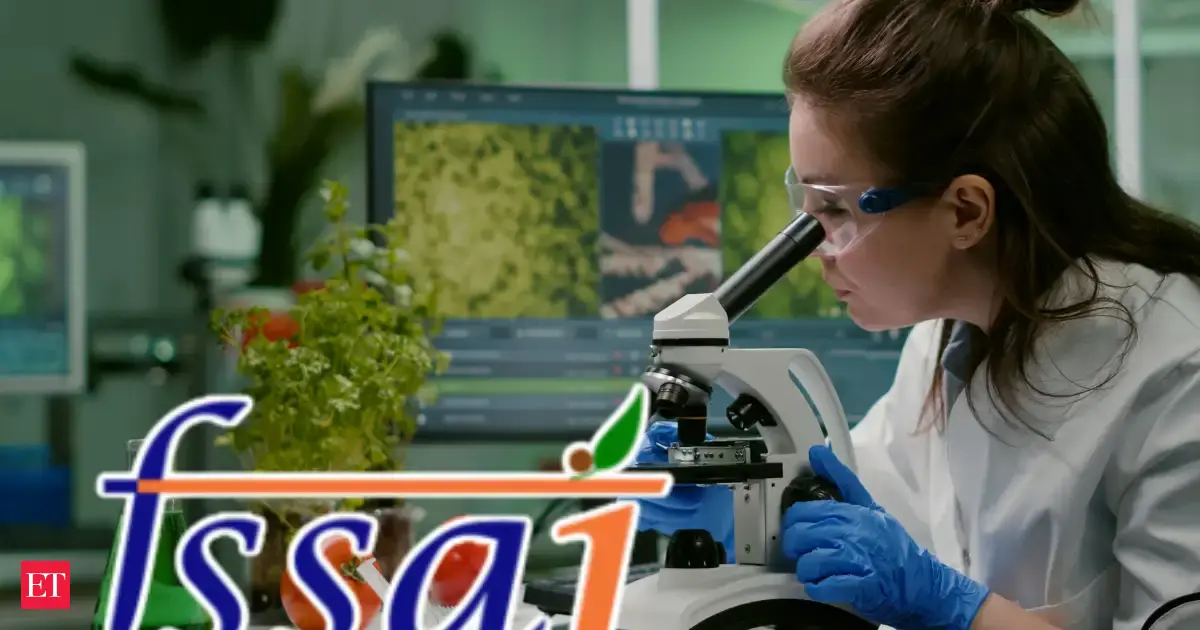
- The idea
- A premium functional food brand (starting with metabolic-health protein bars) built entirely backward from clinical toxicological trials, actively marketing its peer-reviewed evidence.
- Why now
- This week, FSSAI introduced strict 2026 rules requiring every single health and nutritional claim on new food products to be backed by verifiable, standardized scientific and toxicological evidence.
- Global precedent
- Zoe (UK), which built a massive D2C brand explicitly on the back of clinical nutrition studies and real-time blood glucose data.
- The India-specific gap
- Indian D2C health brands have historically relied on generic, unverified 'Ayurvedic' or 'immunity-boosting' marketing fluff. The new FSSAI barrier wipes out lazy competitors, creating a premium moat for a genuinely clinical FMCG player.
- One real risk
- The upfront cost and lead times of running clinical trials for a low-ticket packaged snack will severely hurt early gross margins.
- 02
Micro-Batch Experimental Snacking
FMCG / Q-Comm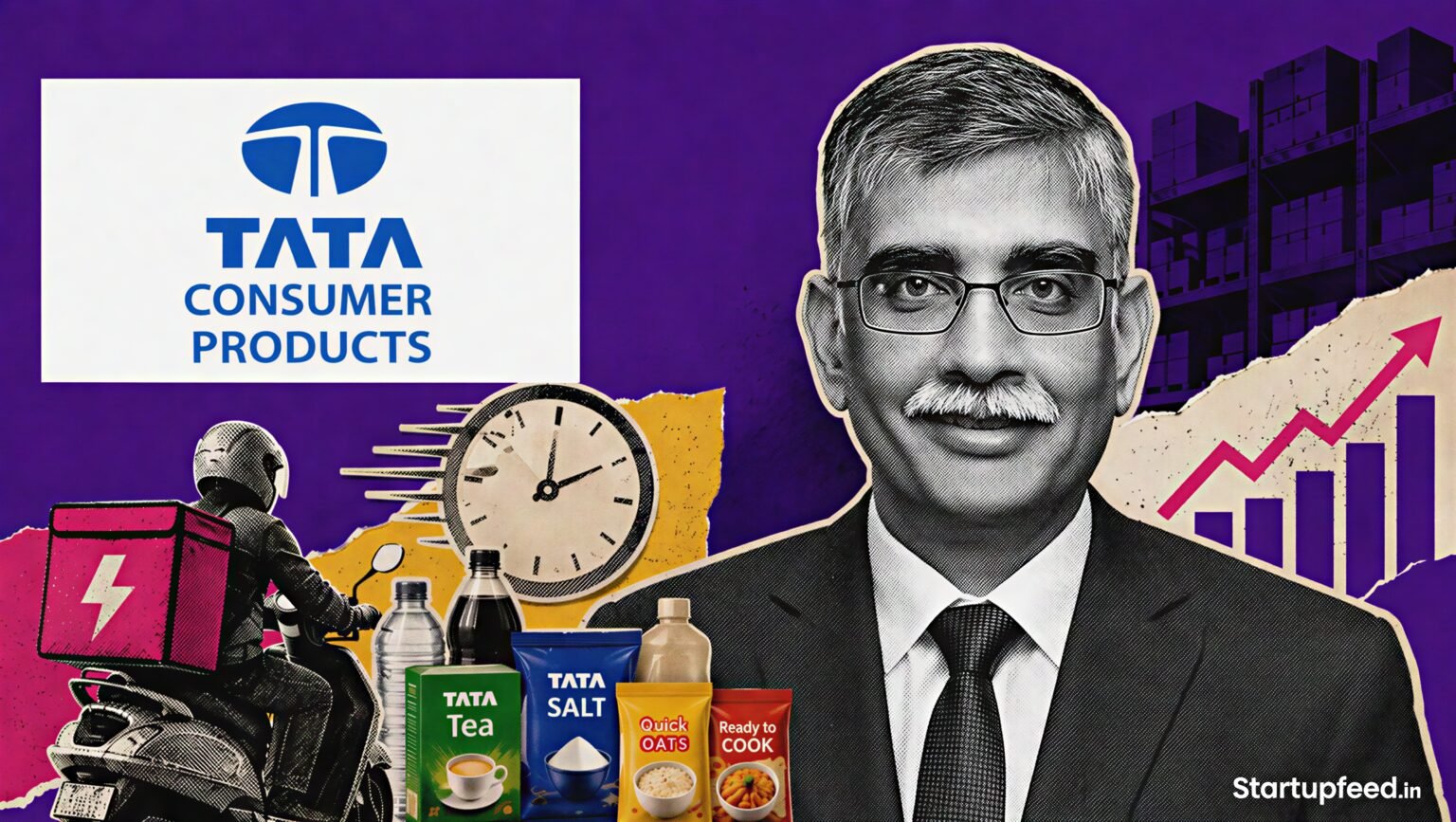
- The idea
- A purely drop-based snack brand that launches highly localized, experimental flavors (like 'Spicy Jamun chips') in micro-batches strictly via 10-minute delivery apps.
- Why now
- A new report from this week highlights the 'Quick Commerce Squeeze,' revealing that the rise of 10-minute delivery is forcing FMCG incumbents to compress their 12-month product launch cycles into just weeks to survive.
- Global precedent
- Feastables (US), which leverages hype cycles, fast flavor drops, and immediate digital feedback to test retail viability.
- The India-specific gap
- Legacy FMCG companies are structurally too slow for instant-commerce culture. D2C brands are still trying to build standard portfolios instead of treating quick commerce as a permanent, high-speed A/B testing ground.
- One real risk
- Quick-commerce platforms demand brutal margins and slotting fees; micro-batch production runs might make unit economics completely unviable without a premium price tag.
- 03
Air-Fryer Exclusive Frozen D2C
FMCG / Ready-to-Cook
- The idea
- A frozen snack brand specifically formulated, texturized, and branded entirely for air-fryers, starting with a zero-oil crispy onion kachori.
- Why now
- McCain just launched 'Air Fryer Masala Crispers' specifically for the Indian market this week, validating the localized appliance shift.
- Global precedent
- Trader Joe's and Tyson Foods creating dedicated air-fryer product lines in the US market to capitalize on appliance adoption.
- The India-specific gap
- Indian millennials and Gen Z own air-fryers, but local frozen snacks (samosas, tikkis, kachoris) are still formulated for deep-frying, resulting in dry, chalky textures when air-fried. No local brand owns the air-fryer-first positioning.
- One real risk
- The total addressable market is strictly capped by air-fryer penetration in India, which remains highly confined to tier-1 urban centers.
Technology & SaaS
- 04
Local-Only AI Screen & Meeting Suite
SaaS / Privacy Tech
- The idea
- An enterprise-grade, offline-first meeting and screen-recording AI agent designed specifically for BPO and IT service companies to run strictly on local hardware.
- Why now
- 'Screen Awesome', a free screen recorder whose primary feature is that it *cannot* upload your video, alongside local semantic search tools, are trending at the top of Product Hunt this week.
- Global precedent
- Rewind.ai (now Limitless) and Screen Awesome, pivoting heavily away from cloud processing toward local privacy.
- The India-specific gap
- India's massive IT services and BPO sector operates under strict client NDAs. They desperately need productivity AI but are legally barred from using cloud-based LLM tools like Otter or Fireflies that exfiltrate data to US servers.
- One real risk
- Local LLM processing requires high-end hardware (like M-series MacBooks), which many Indian service-sector employees do not have on their corporate-issued machines.
- 05
Tactile Hardware for AI Workflows
Hardware / Dev Tools
- The idea
- A premium, customizable desk macro-pad specifically engineered to trigger local LLM prompts, AI agents, and code-generation scripts.
- Why now
- 'Vibe Buddy', a piece of dedicated hardware for AI coding, trended on the Product Hunt leaderboard this week, showing clear demand for physical AI interfaces.
- Global precedent
- Elgato Stream Deck (for streamers) and Vibe Buddy (for devs).
- The India-specific gap
- India has the world's largest base of developers currently adopting AI tools, yet physical macro-pads and productivity hardware are mostly imported, taxed heavily, and priced out of reach for junior devs.
- One real risk
- Hardware margins are notoriously difficult to defend in India against Chinese imports, and OS-level software shortcuts often render dedicated hardware redundant.
- 06
Open-Box AI Training SaaS Boilerplate
Dev Tools / SaaS
- The idea
- A technical SaaS toolkit for Indian engineering teams that provides a fully transparent, local pipeline to train and fine-tune small language models, prioritizing educational visibility over abstraction.
- Why now
- Andrej Karpathy's 'nanochat' repository hit 55k stars on GitHub this week explicitly because it does the exact opposite of AI APIs: it exposes the raw pipeline (tokenization, fine-tuning, inference) so developers can see the plumbing.
- Global precedent
- Nanochat and Hugging Face AutoTrain, capitalizing on the shift from 'using AI' to 'understanding AI'.
- The India-specific gap
- Indian tech startups are aggressively trying to move away from OpenAI wrappers to build native, domain-specific models, but lack affordable, locally priced B2B boilerplates that expose the raw training mechanics for their engineering teams.
- One real risk
- The open-source AI landscape moves so rapidly that a proprietary educational SaaS toolkit risks becoming technologically obsolete every three months.
Beauty, Fashion & Retail
- 07
Marine PDRN D2C Skincare
Beauty / D2C
- The idea
- A premium D2C anti-aging skincare line focusing exclusively on clinical-grade PDRN (salmon DNA) formulations for Indian millennials.
- Why now
- Clinique's 'Smart Clinical Repair Collagen + PDRN Cream' launched globally this week, moving PDRN from a niche Korean clinic treatment into mainstream western cosmetic retail.
- Global precedent
- Rejuran (South Korea) and now Clinique (US), scaling the 'salmon DNA' cell-repair ingredient.
- The India-specific gap
- The Indian D2C skincare market is entirely saturated with generic Vitamin C, Niacinamide, and Hyaluronic Acid. Highly effective Korean clinic ingredients like PDRN are only available through expensive, unverified gray market Instagram sellers.
- One real risk
- PDRN is derived from salmon DNA, which may face intense backlash or severe adoption limits in India's highly vegetarian consumer market.
- 08
Sensory Dessert-Textured Cosmetics
Beauty / Gen-Z
- The idea
- A hyper-tactile cosmetics brand featuring highly visual, dessert-textured formulas (like whipped frosting blush) engineered specifically for satisfying social media unboxing.
- Why now
- 'Baked Beauty' was named this week in the D2C 50 list specifically for capturing Gen Z and millennial markets with a dessert-inspired, playful aesthetic.
- Global precedent
- Beauty Bakerie (US) and Kaja Beauty (Korea), which built massive empires on novel, tactile packaging.
- The India-specific gap
- Indian D2C beauty takes itself too seriously—swinging either toward heavy bridal aesthetics or sterile, clinical 'clean' beauty. There is a massive white space for a purely fun, high-sensory makeup brand optimized for Instagram/Moj virality.
- One real risk
- Novelty packaging and sensory textures drive incredibly cheap top-of-funnel acquisition but historically suffer from terrible repeat purchase rates once the novelty wears off.
- 09
Sustainable Formal D2C Footwear
Fashion / D2C
- The idea
- A premium, podiatrist-approved sustainable formal shoe brand (oxfords, loafers) engineered for all-day comfort for corporate India, utilizing plant-based leather alternatives.
- Why now
- D2C footwear brand Neeman's raised a $4M Series B2 round this week specifically to expand its offline presence, proving that investor appetite for sustainable footwear is moving from niche to mainstream retail.
- Global precedent
- Allbirds and Rothy's (US), scaling eco-materials into professional settings.
- The India-specific gap
- While Neeman's and Solethreads own the casual and sneaker space, there is zero modern, highly comfortable, sustainable alternative for the traditional Indian formal leather shoe market, which remains stiff, uncomfortable, and ethically questionable.
- One real risk
- The formal shoe market is inherently shrinking post-pandemic, and achieving the polished aesthetic of a traditional leather oxford using recycled or plant-based materials is a significant manufacturing hurdle.
- 10
Subscription Beauty Kiosk Network
Retail Tech
- The idea
- A B2B retail-tech company that leases pre-built, premium 'discovery kiosks' in high-footfall Tier-1 malls to digital-first Indian beauty brands on a 3-month rotating subscription basis.
- Why now
- Recode Studios launched seven premium retail kiosks across six Indian cities this week, explicitly citing the need for operational efficiency to balance out punishing online acquisition costs.
- Global precedent
- b8ta (US), which pioneered Retail-as-a-Service by letting D2C hardware brands rent shelf space and access physical customer data without opening full stores.
- The India-specific gap
- Online Customer Acquisition Cost (CAC) for Indian beauty brands is unsustainable, yet opening standalone retail stores requires massive CapEx. A plug-and-play kiosk franchise solves omnichannel distribution for mid-tier D2C brands.
- One real risk
- Managing inventory, physical staffing, point-of-sale systems, and pilferage across dozens of rotating brand clients is an operational nightmare with notoriously thin margins.
Try This Week
- Audit your SaaS tools for privacy: If your IT or BPO clients are tightening data sharing, switch to local-processing agents.
- Stress-test your FMCG pipeline: Can you formulate and drop a limited-edition SKU on a quick-commerce platform in under 4 weeks?
- Review your food product claims: With FSSAI's new 2026 mandate, strip out vague 'wellness' copy and start compiling raw toxicological evidence.